4 hr
Sarajevo War Tunnel & Siege Sites Tour with Veteran Guide
Journey through wartime history with a veteran guide—explore the Tunnel of Hope, Olympic ruins, and panoramic vantage points from the 1990s siege.
Reserve
Walk the lifeline beneath the airport runway, witness the siege unfold
Hand-picked by our editors — only the best 7 experiences from 42 reviewed.
Verified partners for Sarajevo War tours, free cancellation where available, and instant confirmation on every booking.
4 hr
Journey through wartime history with a veteran guide—explore the Tunnel of Hope, Olympic ruins, and panoramic vantage points from the 1990s siege.
Reserve
3 hr
Walk through the underground passage that kept a besieged city alive during Europe's longest modern siege
Reserve
3 hr 30 min
Explore the 1990s siege through key wartime sites and the legendary underground lifeline
ReservePrices from verified partners. Availability updates in real time at checkout. Free cancellation policies apply where shown.
The landmarks, rooms, and views travelers on Sarajevo War tours remember — all visible on a single visit.
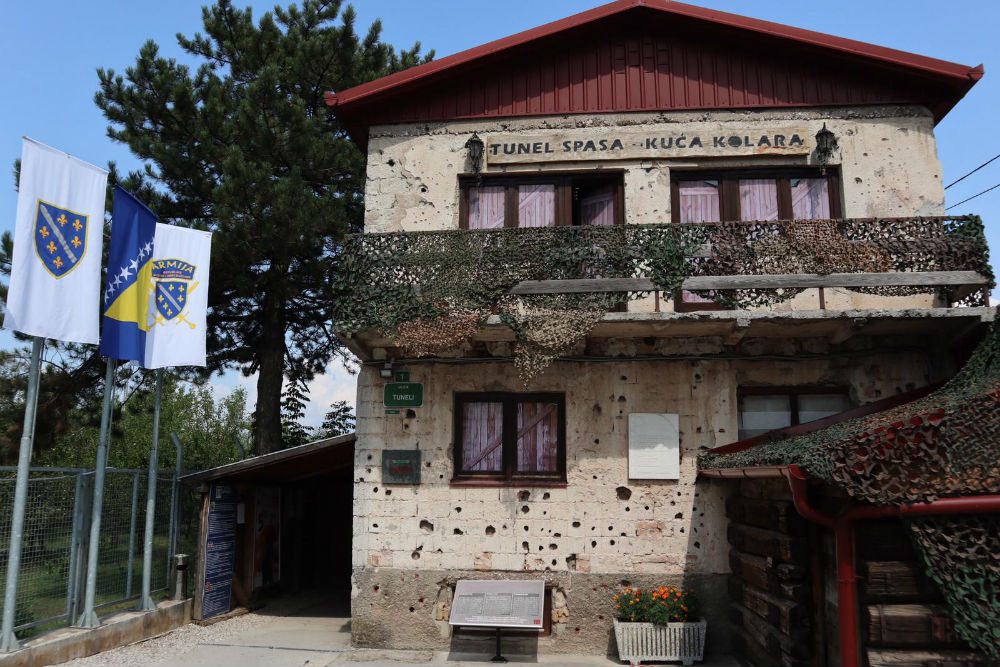
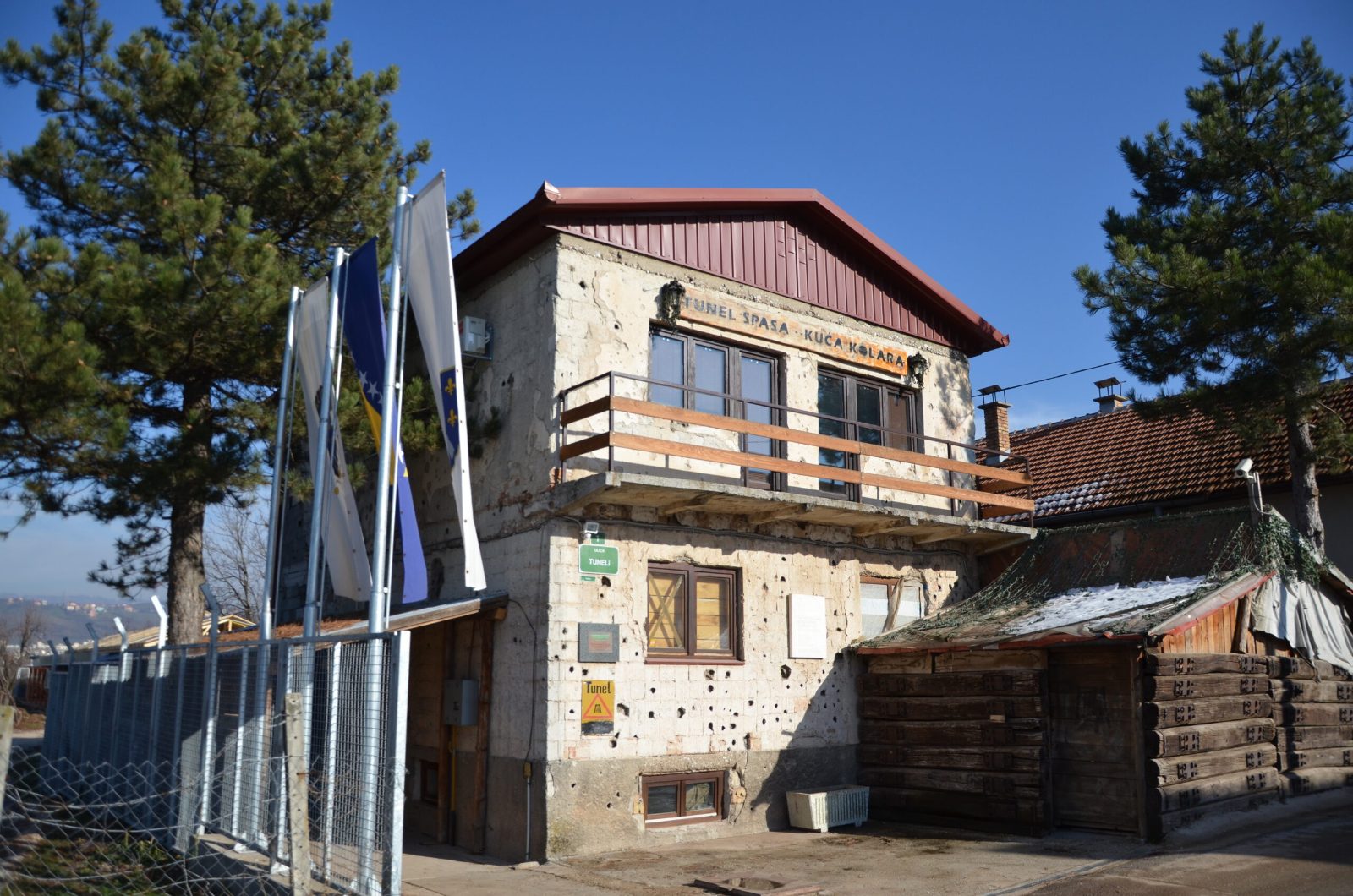
The entrance to the museum, this former home served as the secret starting point for the underground passage construction.
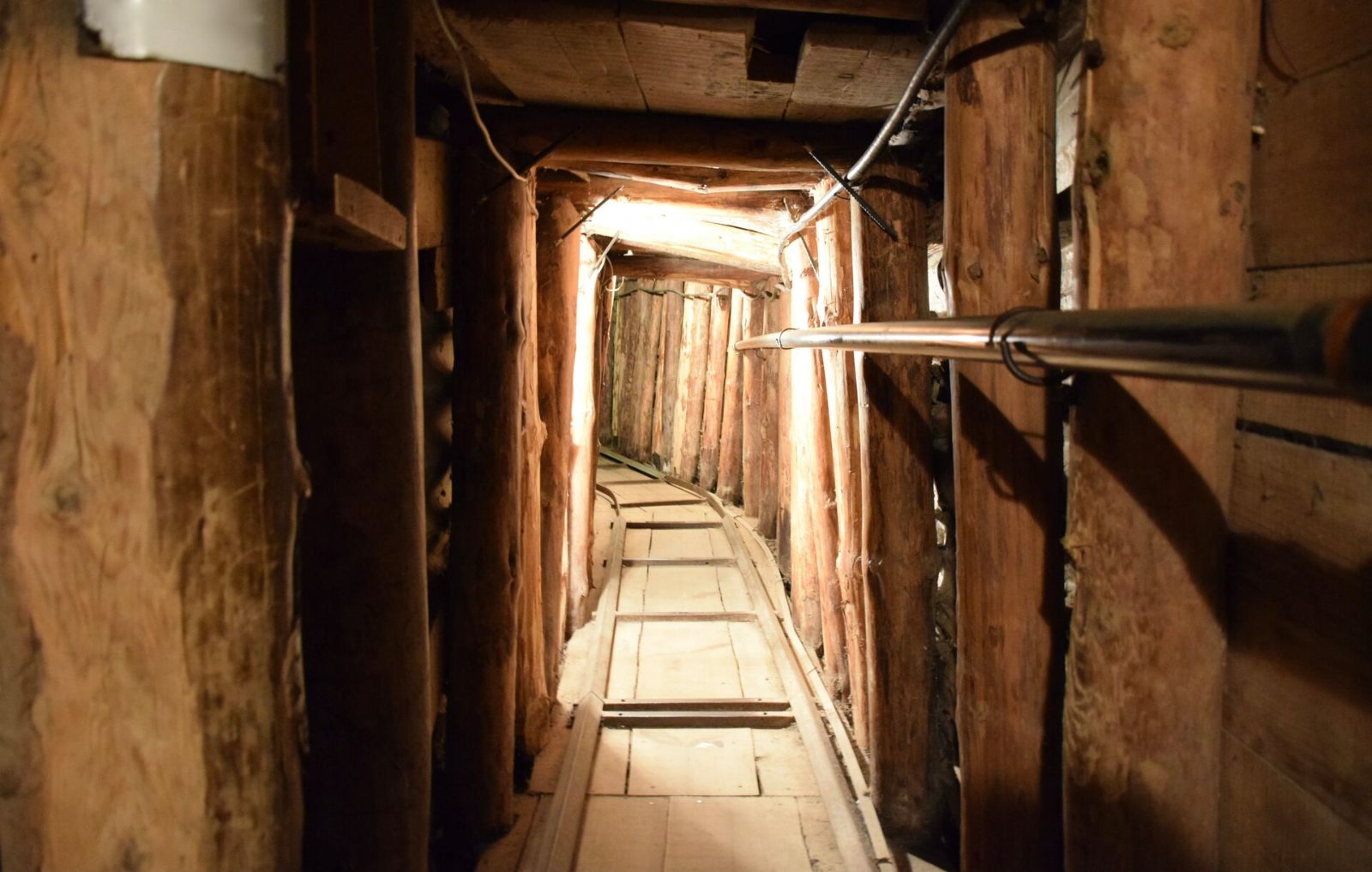
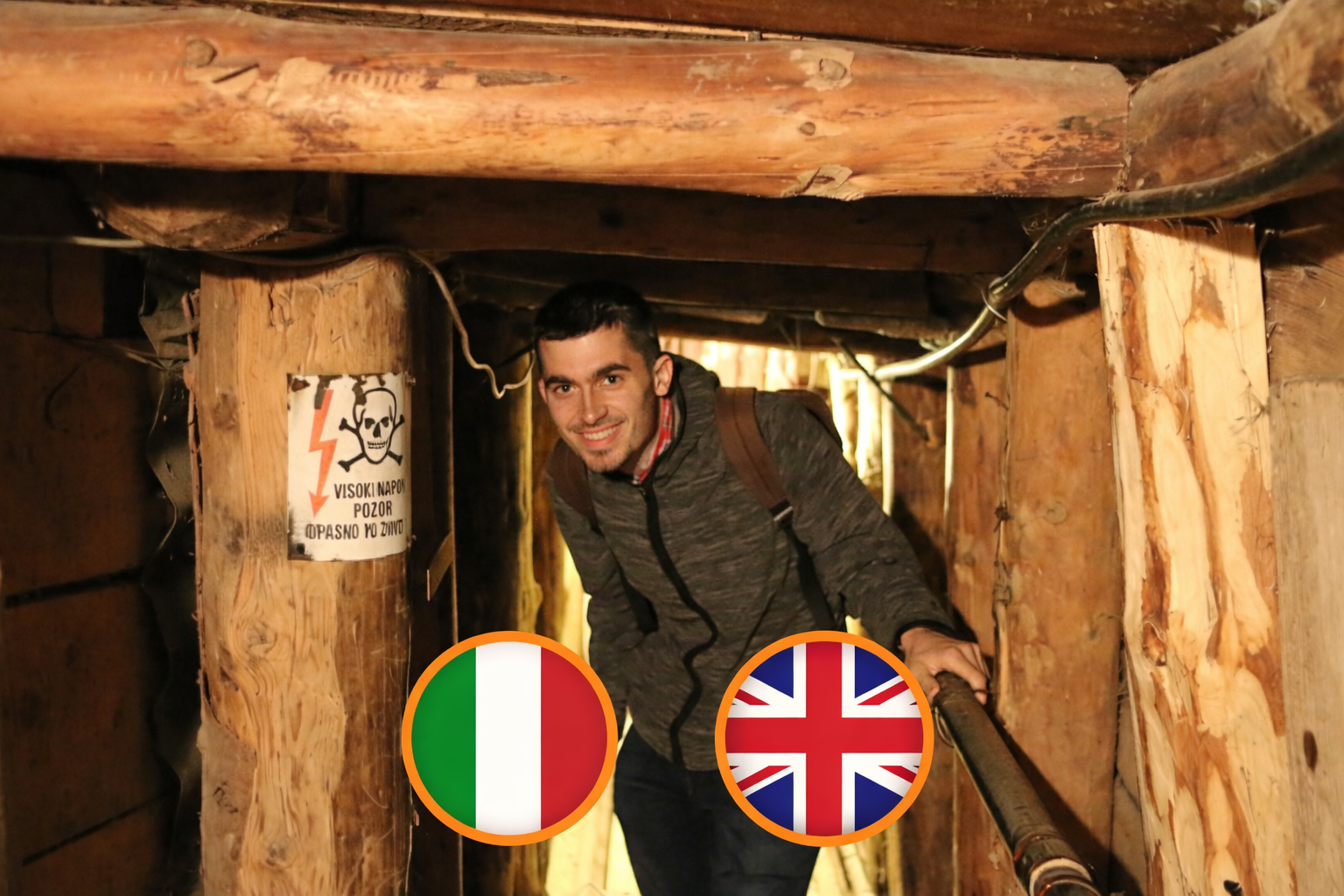
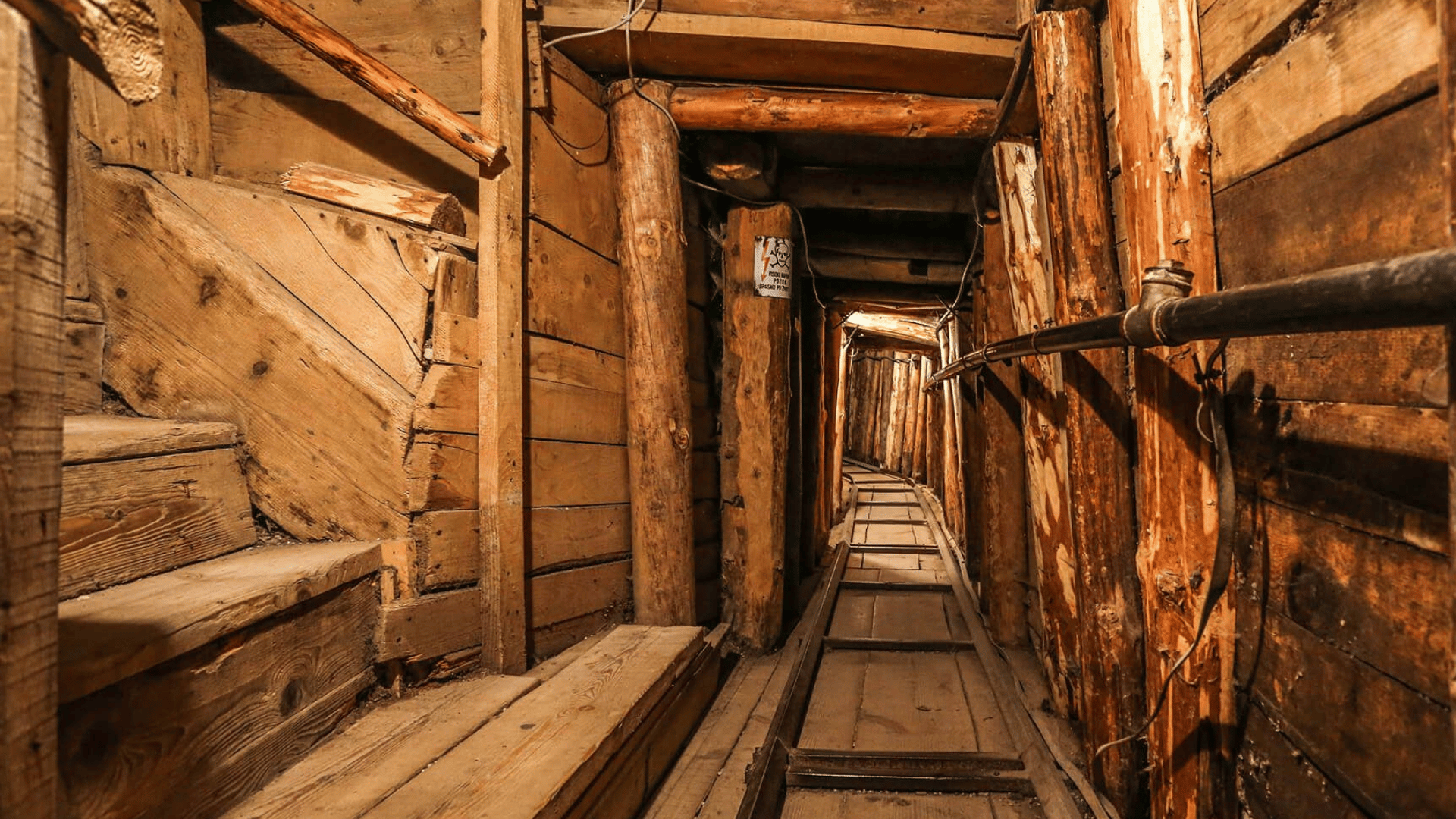
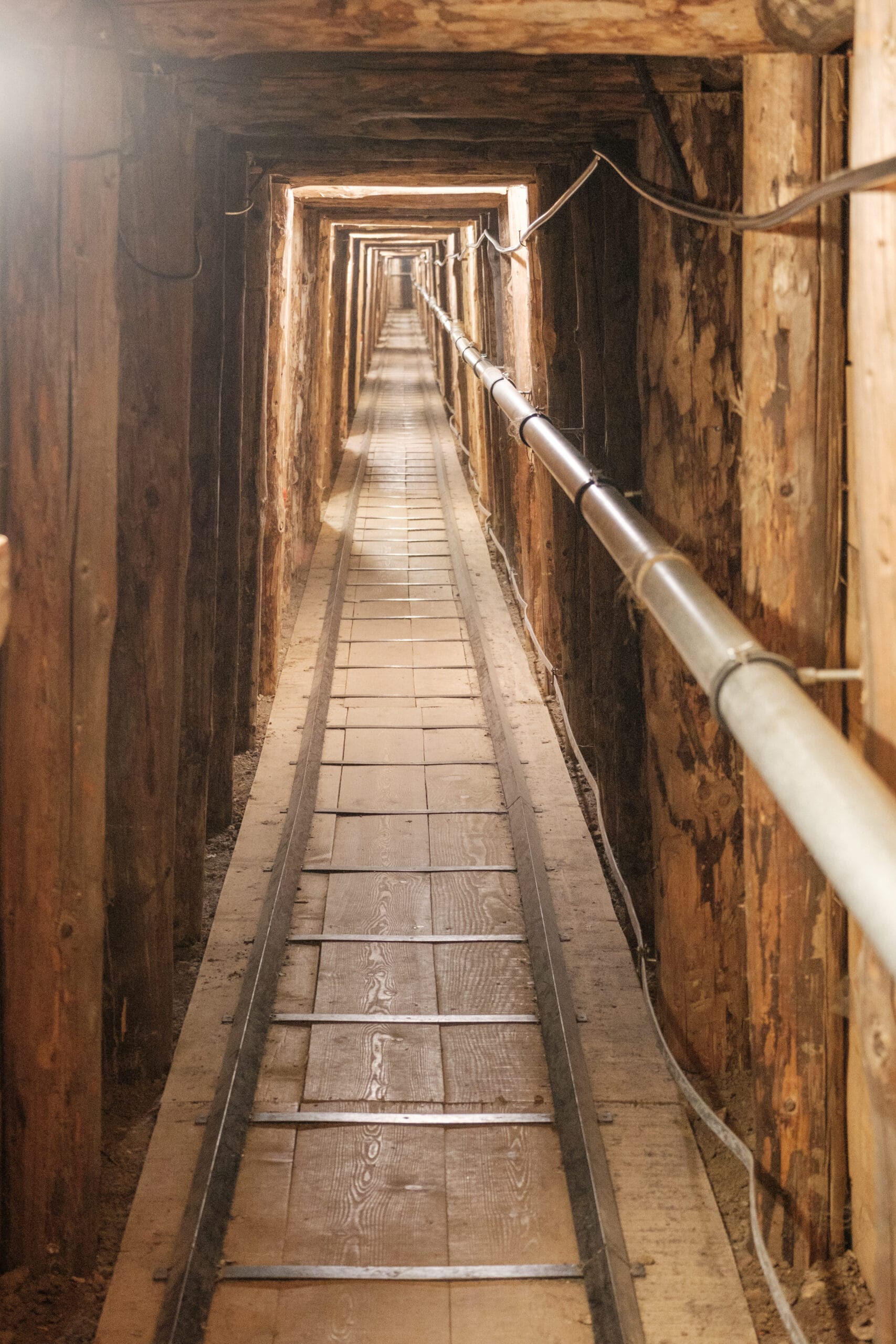
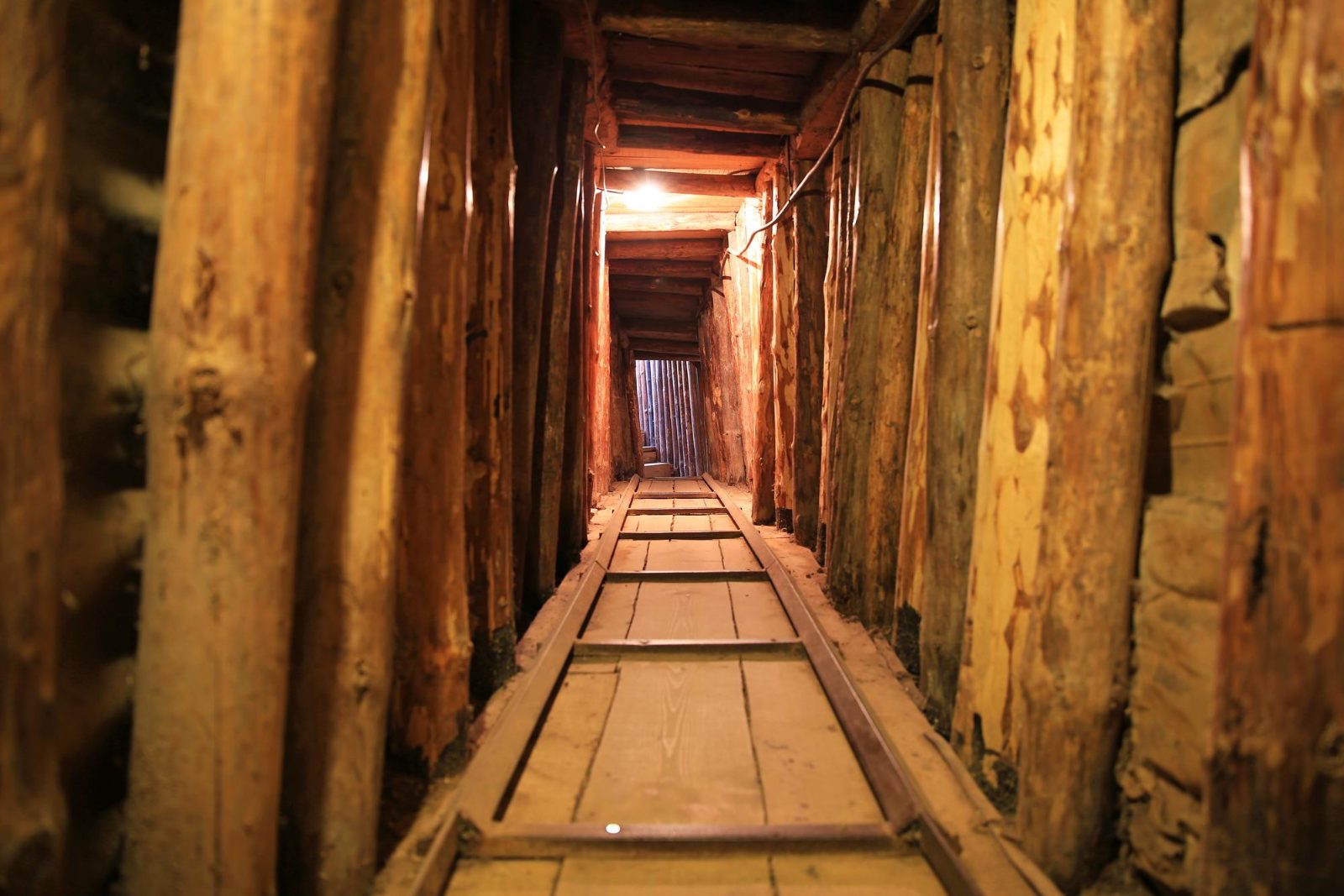
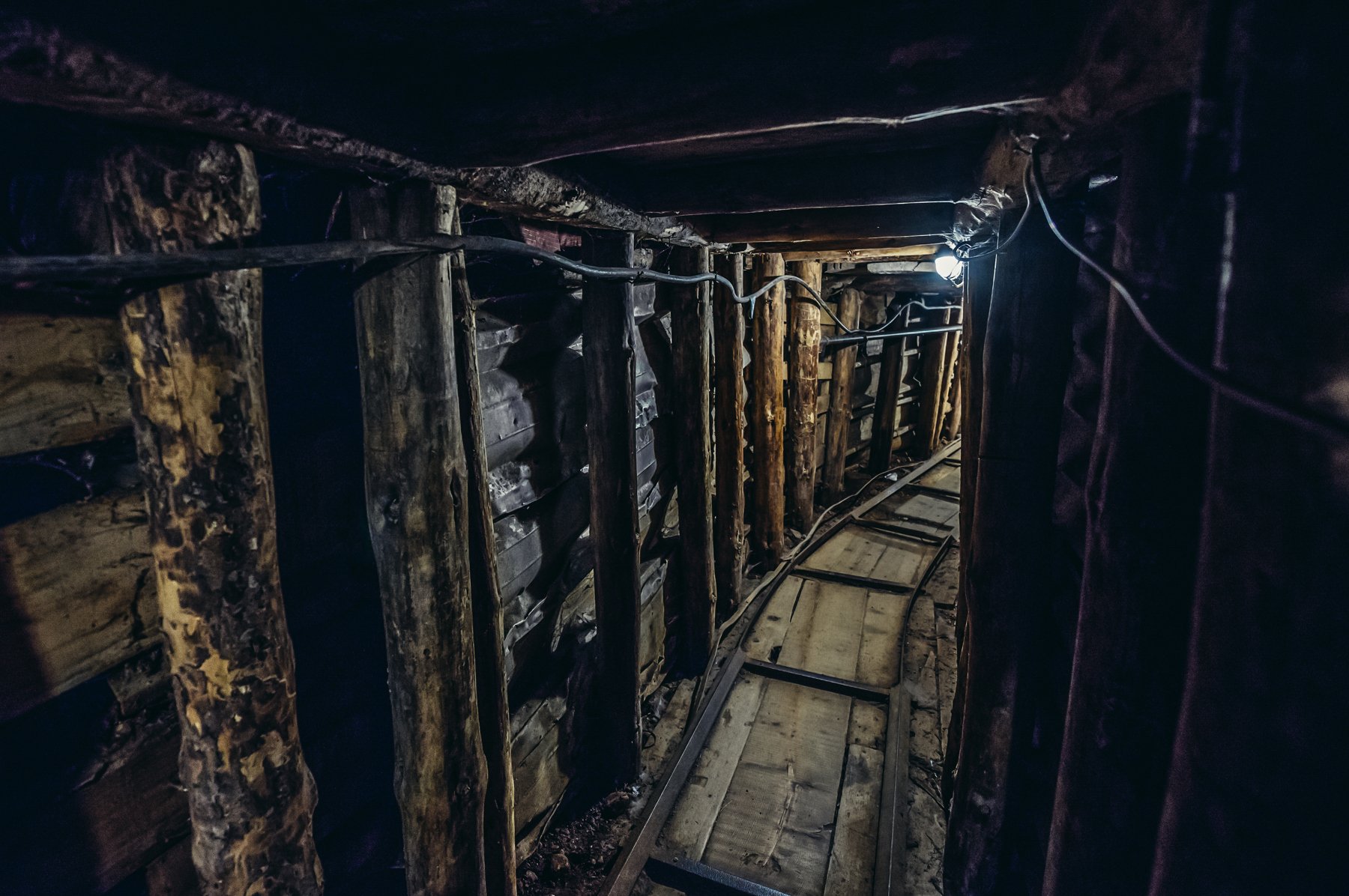
Walk through 25 metres of the authentic original tunnel that served as the city's lifeline during the siege.
A 100-metre section of the original tunnel infrastructure that was restored in 2022 to improve the visitor experience.
View the heavy machinery and equipment used during the war displayed in the garden area.
Watch the short film at the beginning of your visit for essential historical context before entering the tunnel.
Every Sarajevo War tour side-by-side — duration, what's included, how you redeem.
| Experience | Duration | Rating | Transfers | Guide | Small group | Free cancel. | Price | |
|---|---|---|---|---|---|---|---|---|
|
Standard Entry Most popular
Sarajevo War Tunnel & Siege Sites Tour with Veteran Guide
|
4 hr | ★ 4.9 | ✓ | — | ✓ | ✓ | €35 | Book → |
|
Standard Entry
Tunnel of Hope: Sarajevo Siege Experience
|
3 hr | ★ 4.8 | — | ✓ | — | ✓ | €25 | Book → |
|
Standard Entry
Siege of Sarajevo & Tunnel of Hope Tour
|
3 hr 30 min | ★ 4.8 | — | ✓ | ✓ | ✓ | €37 | Book → |
All prices from verified partners. Availability and exact terms confirmed at checkout.
The Tunnel Museum offers an immersive look at the siege lifeline, while city walking tours provide a broader context of the urban landscape. Most visitors find that combining the Sarajevo war tour with a guided stroll provides the most complete understanding of this period.
| Feature | Top pick Sarajevo Tunnel | City War Walking Tour |
|---|---|---|
Content Focus |
Specific siege lifeline artifacts | General urban conflict narratives |
Historical Depth |
Deep dive into logistical survival | Overview of neighborhood impacts |
Physical Intensity |
Low with stationary exhibits | Moderate walking across city terrain |
Duration |
1–2 hours | 2–3 hours |
Location Flexibility |
Fixed at Butmir site | Varies across Sarajevo landmarks |
Accessibility |
Requires local transport access | Flexible start points |
| See tickets → |
Verdict: Choose the Tunnel Museum for an authentic encounter with sarajevo war tour tickets, or select a walking tour for diverse sarajevo war tour tours that explore the city architecture; booking both sarajevo war tour tour options creates a comprehensive perspective.
Choose your ticket, select your date, and reserve in under two minutes. Secure checkout handled by our verified partner.
Instant confirmation by email, with a mobile voucher you can save offline. No printing, no queuing at a collection desk.
Arrive at the entrance, show your voucher on your phone, and walk in. Most tickets include priority or skip-the-line access.
Practical details for Sarajevo War tickets straight from our verified partners — hours, access, rules, and how to get there.
Zelenih Beretki 30
Common departure point for most Sarajevo war tour packages
Open in Google MapsMost direct method from central Sarajevo taking 15–20 minutes.
Take the tram to Ilidža and transfer to a bus heading towards the airport.
Dress modestly and wear comfortable footwear suitable for walking on uneven ground and through the narrow Sarajevo Tunnel sections.
Large bags are discouraged as the tunnel space is extremely confined. Security personnel may monitor the site entrance.
Photography is permitted within the museum exhibits, but please be respectful of the memorial nature of the Sarajevo Tunnel site.
The Sarajevo Tunnel museum entrance and initial exhibits are accessible, but the 125-metre tunnel passage is narrow with a 1.6-metre ceiling.
Mobile phones are permitted. Keep ringer off inside exhibition spaces.
The Sarajevo Tunnel is suitable for older children, though the confined and dark nature of the underground passage may be intense.
No food or drink is available inside the museum complex. Please dispose of any waste outside the Sarajevo Tunnel premises.
Pets are not allowed, with the exception of service animals with appropriate documentation.
Last entry is typically 1 hour before closing. Check the specific ticket for timing.
Zelenih Beretki 30
Common departure point for most Sarajevo war tour packages
Get directionsBest time to go, insider tips, nearby landmarks, and the cancellation fine print — flip through to skim what matters to you.
How crowds, weather, and events shift across the year.
Warmer weather makes the outdoor museum grounds pleasant, but visitor numbers peak during these months.
Mild temperatures are ideal for walking the Sarajevo Tunnel surroundings.
Cooler, less crowded days provide a reflective atmosphere for visiting the site.
Indoor exhibits remain open, though the tunnel passage can feel colder and damper.
Small details that turn a good visit into a great one.
The museum requires 20 BAM in local cash only for foreign adult entry; credit cards are not accepted.
Plan your arrival between 08:30–16:00 to ensure you have enough time for the full museum experience.
Consider purchasing the audio guide for 3 BAM to deepen your understanding of the history presented.
Group your visit with a trip to the city center to see the Sarajevo Roses near the Markale marketplace.
The tunnel path is original and can be uneven or damp.
Non-bookable sights within a short walk — free to visit, easy to pair.
The airport runway served as the site under which the tunnel was dug during the war.
A large water park located in the nearby Ilidža suburb.
A scenic nature park featuring the springs of the Bosna River.
Flexible, no hidden fees.
Entry tickets are generally non-refundable. Please confirm your individual sarajevo war tour booking terms with your specific provider regarding the 20 BAM admission fee.
Hand-picked options within walking distance — pick a district for vibe, or a specific hotel for convenience.
Quiet, family-run lodgings located close to the Sarajevo Tunnel entrance.
Several hotels offering comfortable amenities near the main transport hub.
Between April 1992 and December 1995, a 800-metre hand-dug passage beneath Sarajevo's airport runway served as the besieged city's only link to the outside world.
Built by the Army of the Republic of Bosnia and Herzegovina, the Tunnel of Hope channeled food, medicine, ammunition, and evacuees through a corridor so narrow that two people could not pass side by side. At its peak, 4,000 individuals traversed the tunnel each day, many bent double under the weight of supplies or the low clearance of wooden support beams. The structure took four months to complete, with crews working around the clock in shifts, excavating soil by hand and reinforcing the walls with scavenged timber and steel. The tunnel entrance on the Butmir side now forms the core of the Tunnel Museum, housed in the Kolar family home that once concealed the passage.
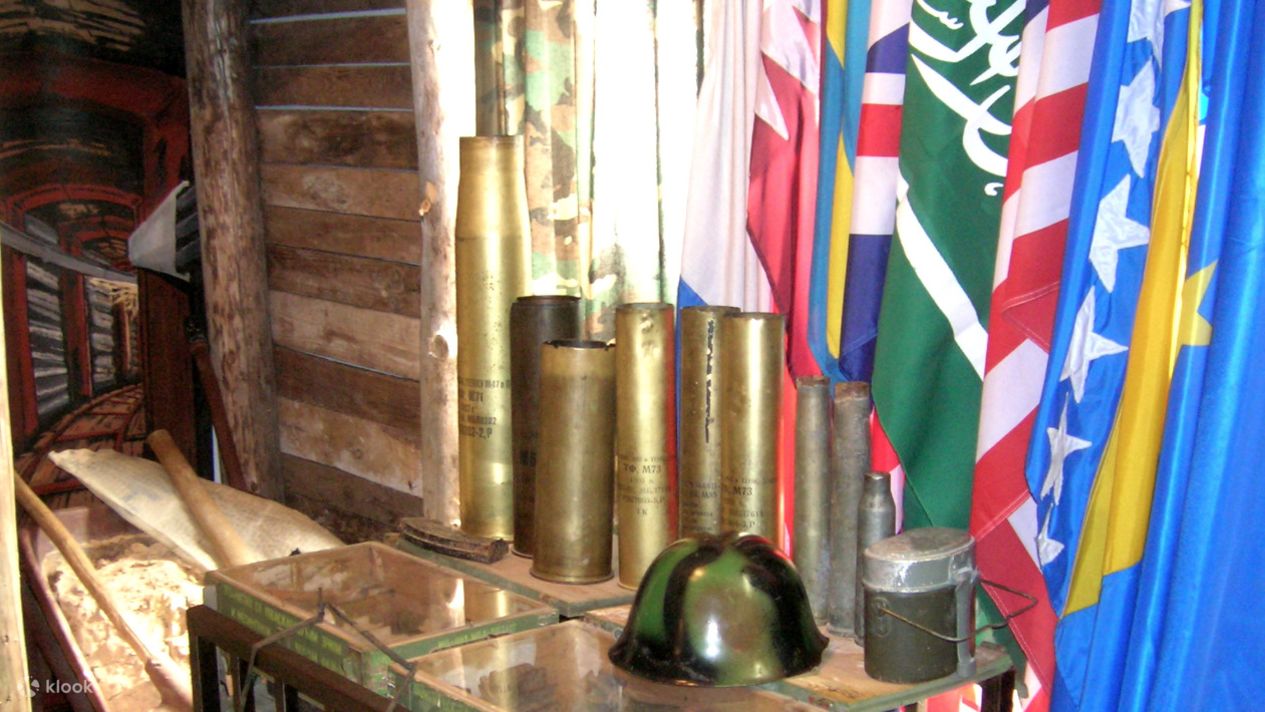
Today, the museum preserves 25 metres of the original tunnel alongside a documentary archive that includes siege-era photographs, artillery shell casings, and handwritten logs from tunnel operators. Video testimonies from survivors play on loop in the exhibition hall, while display cases hold rationed food tins, improvised heaters, and the rubber boots worn by tunnel workers who waded through knee-deep water during winter floods. The Sarajevo war tunnel tour has become a focal point for understanding the siege's human cost, drawing historians, students, and visitors seeking to grasp the ingenuity born from desperation. The museum's collections extend to uniforms, medical kits, and letters smuggled through the tunnel, each artifact annotated with the donor's name and story. Outside, the preserved trench system and anti-aircraft positions map the frontline that once encircled the airport perimeter.
Sarajevo war walking tour itineraries often pair the tunnel with other siege landmarks — the Markale Market memorial, Sniper Alley, and the War Childhood Museum — forming a circuit that traces the city's 1,425-day encirclement. Sarajevo war time tourism has grown steadily since the conflict's end, yet the Tunnel Museum remains distinct for its tangible connection to survival rather than destruction. The site answers the question is sarajevo worth visiting for those drawn to recent history and resilience narratives. Visitors frequently ask is it safe to visit sarajevo; the city has been stable and welcoming since the Dayton Accords, with the tunnel district seeing no security incidents in over two decades. Sarajevo world war 1 tour routes occasionally overlap with Bosnian War sites, given the city's layered conflict heritage, though the tunnel's 1990s origin keeps it firmly within contemporary memory. Some sarajevo free walking tour war itineraries include a brief stop at the tunnel exterior, but access to the museum and underground passage requires a paid ticket and advance booking during peak summer months.

"4,000 individuals traversed the tunnel each day, many bent double under the weight of supplies or the low clearance of wooden support beams."
A step-by-step walkthrough of Sarajevo War tickets — what you'll see, how long each stage takes, and the details that matter.
You arrive at the unassuming Kolar family house in Butmir, its white façade still pocked with shrapnel scars. Inside, you move through the exhibition hall where black-and-white photographs line the walls — faces of tunnel diggers, ration queues, children collecting water under sniper fire.
A short film plays in the corner, voices recounting the first successful crossing in July 1992. You descend a narrow staircase into the preserved section of the tunnel itself, the ceiling low enough that you stoop as you walk the 25 metres of original passage. The air is cool and damp, wooden beams overhead identical to those that supported the full 800-metre span. You emerge into daylight and follow the outdoor path past sandbag bunkers and a rusted artillery piece, its barrel aimed toward the ridgeline where Serb positions once overlooked the runway.
You return to the museum's second room, where glass cases hold tunnel workers' boots caked in dried mud, a child's drawing of the passage, and a logbook listing daily crossings. You pause at the relief map showing the tunnel's route beneath the tarmac, connecting the besieged city to the free territory of Butmir. Before leaving, you scan the guest book filled with entries in a dozen languages, many simply reading "never again."
The Sarajevo Tunnel is open daily from 08:30–17:30.
The museum is partially accessible, but the original tunnel section is narrow with low ceilings (1.6 metres).
No, the entrance fee of 20 BAM must be paid in local cash only at the site.
The entrance fee is 20 BAM for foreign adults, payable in local cash only.
Bring comfortable shoes, a water bottle, and sufficient cash in local Bosnian Marks for your ticket.
Yes, children are welcome on a sarajevo war tour, though the history is somber.
Allow at least 45–60 minutes to view the museum exhibits and walk the tunnel path.
Yes, you may take photos for personal use throughout the Sarajevo Tunnel museum.
The best arrival window is 08:30–16:00 to avoid crowds and ensure enough time for your visit.